Textile Art & Accessories
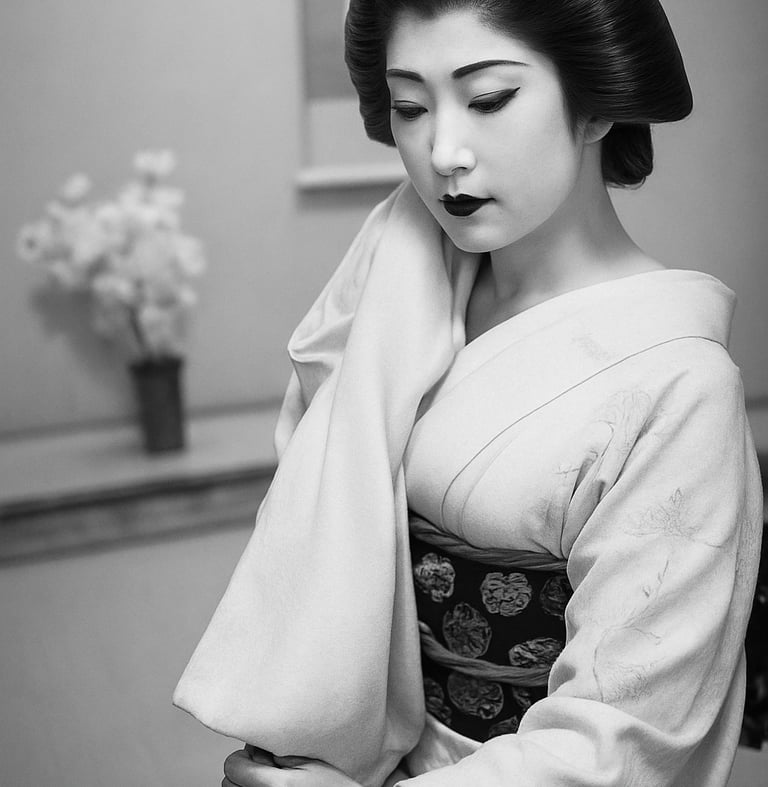
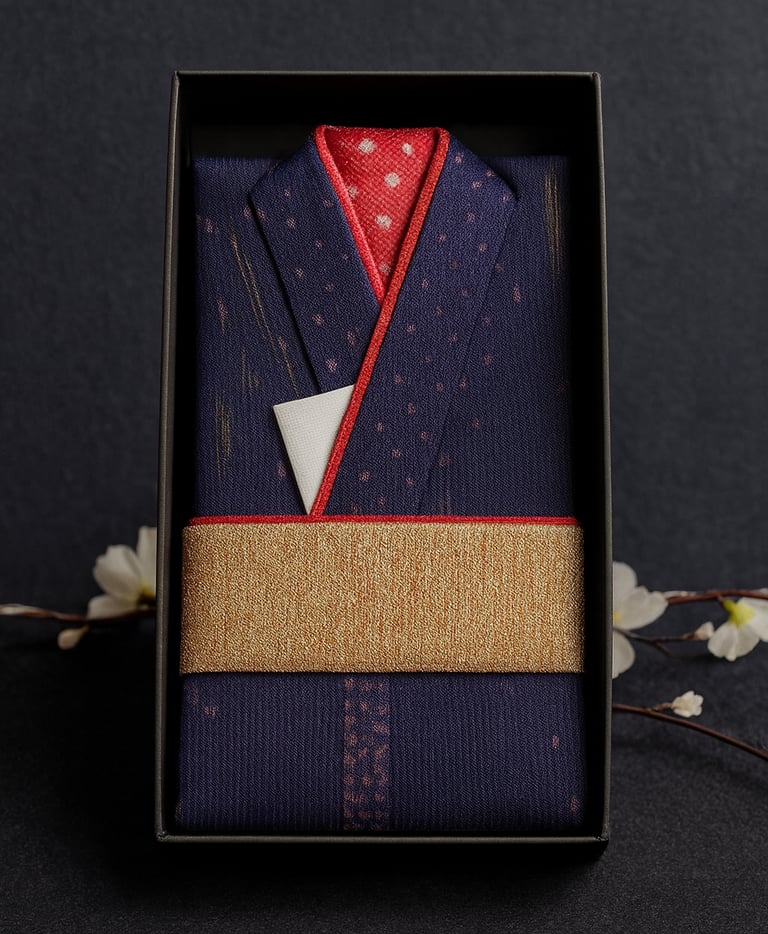
Japanese textile art is expressed not only in kimono, but also in many small everyday items: belts, cloths, cases, coin pouches or gloves – often handwoven, made from fine silk or traditionally dyed cotton. They combine function with aesthetics and tell stories about regions such as Hakata, Kyoto or Izumo.
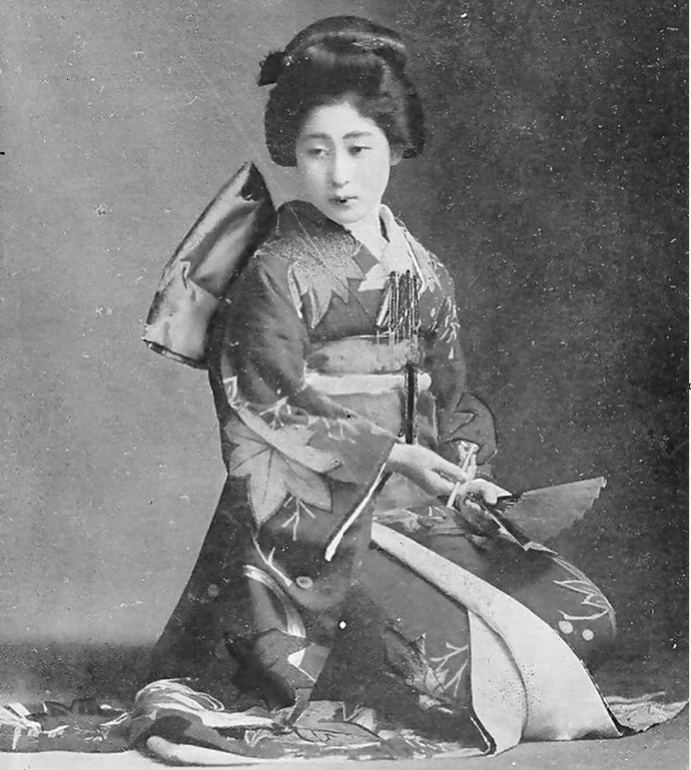
At Kasumiya you’ll find selected obi belts, furoshiki cloths, fukusa cases, Nishijin-ori coin pouches, indigo-dyed gloves and other accessories that we either purchase directly in Japan or source through our family’s antiques business in Nagoya. Each piece is a small example of Japanese craftsmanship – and much more than just “decoration.”
What is meant by Japanese textile art & accessories?
Under textile art & accessories we bring together all the fabric items that are traditionally used in everyday life in Japan, at festivals or in the tea ceremony:
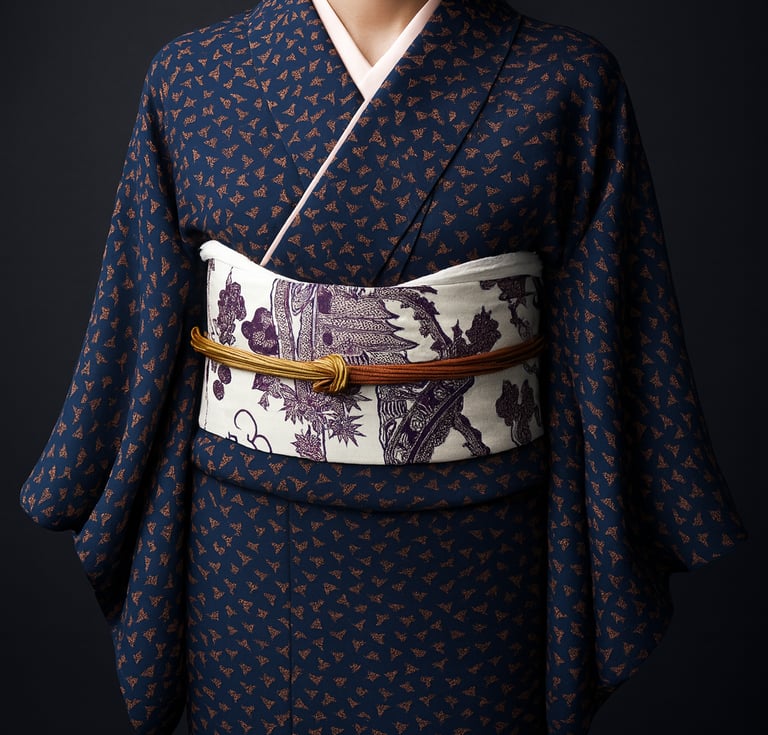
Hakata-ori, hanhaba and Nagoya obi – handwoven belts for kimono and yukata
Furoshiki – square cloths for wrapping, carrying or decorating
Fukusa & fukusa-basami – fine silk cloths and cases for the tea ceremony (Sadō)
Saifu coin pouches made from Nishijin-ori – small purses made from fine fabrics from Kyoto
Aizome gloves – indigo-dyed cotton gloves in vintage style
These items are “usable art” in the best sense: beautiful to look at, culturally rooted and at the same time made for everyday use.
For whom are these accessories suitable?
Japanese textile art is perfect for you if you:
are a Japan fan, tea ceremony enthusiast or kimono lover
are looking for sustainable, long-lasting alternatives to disposable packaging (furoshiki instead of gift wrap)
want to subtly add a Japanese touch to your everyday life – with a coin pouch, gloves or an obi worn as a belt
collect: vintage obi, rare Hakata-ori patterns or special Gungendō pieces
are looking for gifts that are personal and culture-based rather than interchangeable mass products
Whether you want to complete a tea ceremony set, find a special detail for your outfit or simply love beautiful fabrics – you’ll find what you’re looking for in Kasumiya’s textile world.
How can you recognise quality in Japanese textile art?
Material & feel
Silk: soft, with a gentle sheen, ideal for obi, fukusa and cases
Cotton & blends: robust, breathable – typical for furoshiki and gloves
Traditional dyeing such as aizome (indigo dyeing): rich, natural blue tones that develop a beautiful patina over time
Weaving technique & workmanship
Hakata-ori: tightly woven, clear stripe patterns from Fukuoka, particularly sturdy – perfect for obi that should hold their shape
Nishijin-ori: elaborate, multicoloured weaving from Kyoto, often with gold and silver threads – classic for high-quality fabrics and pouches
clean edges, no loose threads, even patterns and strong seams
Origin & “handwriting”
references to workshops, brands or regions (e.g. Gungendō, Hakata, Nishijin)
for vintage pieces: honest information on condition, age and any small signs of use
High-quality textile art doesn’t just feel good – it is harmonious in itself, from motif to finishing.
What should you consider when buying?
To help you find the right piece, a few guiding questions:
For obi (Hakata-ori, hanhaba, Nagoya):
Purpose:
For yukata → often ideal: hanhaba obi (half-width, easy to tie)
For everyday or semi-formal kimono → Nagoya obi
Length & width:
enough fabric to tie a clean knot
Pattern & colour:
does the obi match your kimono/yukata, or do you want a deliberate contrast?
For furoshiki:
Size:
smaller (approx. 45–50 cm) for bento, books, bottles
larger (70–100 cm) for clothing, gifts, to use as a bag
Material:
cotton for robust everyday use
silk or fine blends more for gifts and decoration
For fukusa & fukusa-basami:
Tea ceremony vs. decor:
do you need a functional piece for Sadō, or more of a decorative element?
Motif:
classic motifs (cranes, pines, blossoms) are timeless and suitable for many occasions
For coin pouches & gloves:
Practical use:
is there enough space for your coins/cards?
do the gloves fit comfortably?
Style:
are you looking for something simple for everyday use, or a statement piece with a striking pattern?
Care & use – so you enjoy them for a long time
Silk (obi, fukusa, cases, Nishijin-ori)
protect from moisture, strong sunlight and hard creasing
have them professionally cleaned or wash very gently by hand – never wring vigorously
store dry and loosely folded, ideally in a cotton cover or paper
Cotton & aizome
Aizome gloves:
indigo may bleed slightly the first time you wash them – wash separately and cold
do not use harsh detergents or bleach
Furoshiki made of cotton:
usually machine-washable on a gentle cycle; follow care instructions
air dry and iron on low if needed
Everyday handling
Furoshiki can be folded, knotted and reused again and again – a sustainable alternative to gift wrap.
Obi and fukusa should be aired after wearing before folding them away again.
Coin pouches and cases like it dry – don’t store them permanently in overfilled, damp bags.
What does Kasumiya specifically offer in textile art & accessories?
In our eBay range you’ll find – depending on current availability – among others:
Original Hakata-ori, hanhaba and Nagoya obi
Handwoven kimono belts from Japan with clear stripes, a firm hand and a long tradition – ideal for yukata and kimono.
Furoshiki premium cloths
Original Japanese fabric cloths in various sizes and designs, perfect for stylish wrapping, carrying, wrapping or as wall and table decoration.
Japanese fukusa-basami case
Handcrafted silk cases for the tea ceremony (Sadō) – elegant accessories in which fukusa cloths or utensils can be stored in style.
Original saifu coin pouches made from Nishijin-ori fabric
Small, handcrafted purses made from traditional weaving art from Kyoto – practical for everyday use and at the same time a piece of Japanese history in your pocket.
Gungendō 群言堂 aizome gloves
Indigo-dyed cotton gloves in vintage style, directly from Japan – ideal for anyone who appreciates natural dyeing and subtle Japanese fashion.
Fukusa handwork with wooden box
Finely crafted textile art for tea ceremonies and gifts. Often with traditional motifs, delivered in a matching wooden box – also perfect as a present.
Our current textile art and accessory offerings can be found in our
eBay shop in the categories “Textile Art & Accessories”, “Obi & Belts”, “Furoshiki & Cloths” and “Tea Ceremony Accessories”.
Discover textile art & accessories at Kasumiya
and bring handwoven obi, furoshiki, fukusa & more directly from Japan into your life – for the tea ceremony, kimono or simply for everyday life with a touch of Nippon.