

Kumiko – Japanese Woodcraft in Perfect Precision
BeitragsbeschreibungKumiko is traditional Japanese woodcraft without nails. Discover its history, techniques, patterns, and cultural meaning.
12/23/20252 min read
What Is Kumiko?
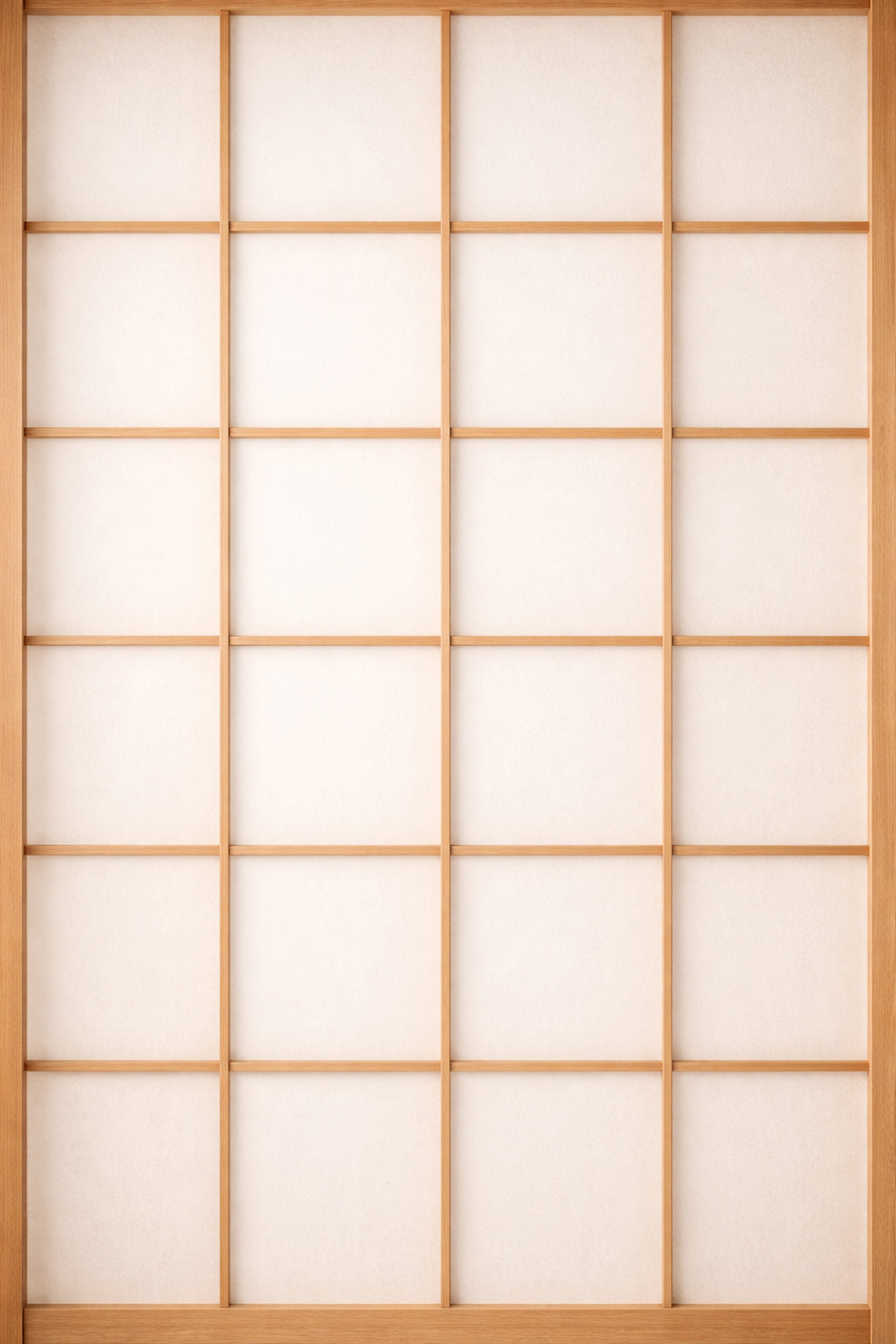
Kumiko is a centuries-old Japanese woodcraft in which delicate wooden strips are assembled into intricate geometric patterns—without nails, screws, or glue. This technique demands extreme precision, patience, and master-level craftsmanship.
Originally, Kumiko was primarily used for Shoji, traditional Japanese sliding doors. Today, it appears not only in classical architecture but also in modern interior design, fine furniture, and decorative wall panels.
4
The History of the Kumiko Technique
The origins of Kumiko date back more than 1,400 years, to Japan’s Asuka period. The craft reached exceptional refinement in regions such as Kyoto, where temples, tea houses, and traditional residences demanded the highest level of craftsmanship.
Kumiko was never mere decoration—it embodied the Japanese concept of Ma (間): the conscious relationship between space, light, and emptiness.
How Kumiko Is Made – Technique & Craftsmanship
What makes Kumiko unique is its joinery technique:
Precisely cut wooden slats
Tolerances within fractions of a millimeter
No use of metal fasteners or adhesives
Structural stability achieved purely through tension and geometry
Traditionally used woods include Hinoki (Japanese cypress), cedar, and pine. A skilled Kumiko master trains for years to perfect the technique—a single panel can take several weeks to complete.
The Meaning of Kumiko Patterns
Kumiko is deeply rooted in symbolism. Each pattern carries a specific meaning:
Asanoha (Hemp Leaf) – growth, protection, health
Kikkō (Tortoise Shell) – longevity, good fortune
Sakura motifs – impermanence and beauty
Hemp leaf variations – harmony and balance
These patterns reflect Japan’s profound connection to nature and are chosen deliberately depending on space, purpose, and symbolism.
Kumiko in Modern Design
Today, Kumiko is experiencing a global renaissance. Architects and designers integrate it into:
modern living spaces
hotels and traditional ryokan
exclusive furniture pieces
lighting installations
minimalist wall art
The contrast between ancient technique and contemporary design makes Kumiko especially compelling—timeless, tranquil, and strikingly refined.
Why Kumiko Is More Than Decoration
Kumiko represents values that are increasingly relevant today:
sustainability through long-lasting construction
mindfulness through slow, deliberate creation
reduction to what truly matters
perfection in detail
Each handcrafted Kumiko piece is unique—a quiet work of art that calms a space while elevating it.
Experiencing and Appreciating Kumiko
Authentic Kumiko can be recognized by its flawless fit, fine wood grain, and the sense of calm it radiates. It embodies a craft culture focused not on mass production, but on meaning and mastery.
Anyone interested in Japanese aesthetics, traditional craftsmanship, and high-quality design will find in Kumiko an art form built to endure generations.
Conclusion: Kumiko – The Soul of Japanese Woodcraft
Kumiko is far more than a decorative lattice. It is living Japanese philosophy, masterful handcraft, and timeless beauty shaped in wood. In a fast-paced world, Kumiko reminds us that true quality takes time—and that is precisely where its strength lies.