

Japanese Fishing Rods – Precision, Craftsmanship, Innovation
Japanese fishing rods combine traditional craftsmanship with modern technology. Discover their history, types, advantages, and unique qualities.
12/23/20253 min read

What Defines Japanese Fishing Rods?
Precision and Sensitivity
One of the most distinctive features of Japanese fishing rods is their exceptional sensitivity. Even the slightest movements underwater are transmitted directly to the angler. This allows for:
precise lure control
quick bite detection
controlled fighting of even delicate fish
Perfect Balance
Japanese rods are engineered so that weight, length, and action are perfectly balanced. The result is fatigue-free fishing—even during long sessions.
The History of Japanese Fishing Rods
Traditional Origins
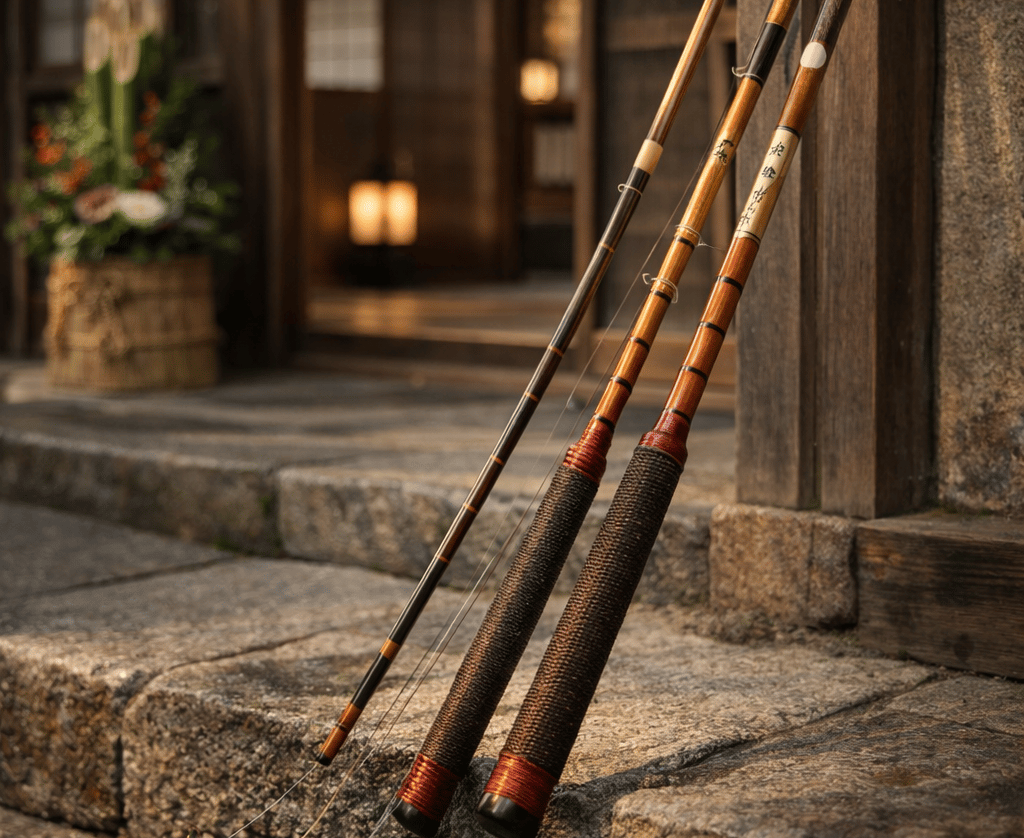
The history of Japanese fishing rods goes back many centuries. Originally, rods were made from bamboo and used for river and coastal fishing. Craft knowledge was passed down through generations.
From Natural Materials to High-Tech Rods
With industrialization, modern materials were introduced. However, the traditional mindset remained: each rod should be perfectly matched to its specific purpose rather than designed as a universal tool.
Materials Used in Japanese Rod Building
Bamboo – The Classic Material
Bamboo fishing rods still stand for traditional Japanese craftsmanship. They are known for:
natural flexibility
smooth, harmonious casting feel
unique grain patterns
Each bamboo rod is a one-of-a-kind piece.
Modern Materials
Contemporary Japanese fishing rods use advanced materials such as:
carbon fiber for lightness and speed
fiberglass for durability and forgiveness
hybrid constructions for maximum control
Japanese manufacturers are considered pioneers in material innovation.
Types of Japanese Fishing Rods
Tenkara Rods
Tenkara is a traditional Japanese fishing method without a reel. Tenkara rods are:
telescopic
extremely lightweight
designed for maximum control
They are especially suitable for small to medium rivers and appeal to anglers who value minimalist fishing.
Japanese Spinning Rods
Japanese spinning rods are known for:
fast action
high feedback
precise lure control
They are ideal for modern predatory fish angling.
Rods for Saltwater Fishing
Japanese fishing rods are also highly regarded in saltwater environments. They offer:
high load capacity
corrosion resistance
precise power transmission
Handcrafted vs. Industrial Production
Traditional Rod Craftsmanship
Even today, small workshops in Japan produce fishing rods by hand. These rods are characterized by:
carefully selected materials
hand-wrapped guides
individual tuning
Series Production with a Focus on Quality
Industrial Japanese fishing rods are subject to strict quality controls. The standard remains the same: maximum performance with minimal material use.
Advantages of Japanese Fishing Rods at a Glance
exceptional sensitivity
excellent balance
high-quality workmanship
long service life
timeless, minimalist design
These qualities make Japanese fishing rods attractive to both beginners and experienced anglers.
Are There Any Disadvantages?
Despite their high quality, Japanese fishing rods may have some considerations:
often higher price points
specialized designs rather than all-round use
more sensitive to improper handling
For anglers who value conscious fishing and quality, these aspects are rarely seen as drawbacks.
Who Are Japanese Fishing Rods Suitable For?
Japanese fishing rods are ideal for:
anglers focused on technique and feel
lovers of premium equipment
nature and minimalism enthusiasts
fly fishers and Tenkara devotees
anglers who appreciate design and craftsmanship
They appeal to people who see fishing as an experience—not just as catching fish.
Care and Long-Term Value
To ensure long-lasting enjoyment, the following care is recommended:
thoroughly dry rods after fishing
protect them from excessive heat and direct sunlight
regularly check ferrules and joints
store properly in rod cases
Handcrafted rods, in particular, reward careful maintenance with decades of durability.
Frequently Asked Questions About Japanese Fishing Rods
Are Japanese fishing rods only for professionals?
No. Many models are suitable for dedicated beginners who value quality.
Why are Japanese fishing rods often lighter?
Advanced material technology and precise engineering eliminate unnecessary weight.
Is the higher price worth it?
In the long run, yes. Durability, performance, and comfort justify the investment.
Conclusion: Japanese Fishing Rods as an Expression of Quality
Japanese fishing rods embody a unique combination of tradition, modern technology, and deep respect for nature. They enable refined, controlled, and mindful fishing.
Speed and strength are not the focus—precision, calmness, and respect are. These are the values Japanese fishing rods have represented for generations.